One Object, Four Subjects: Building a Unit Study Around a French Village
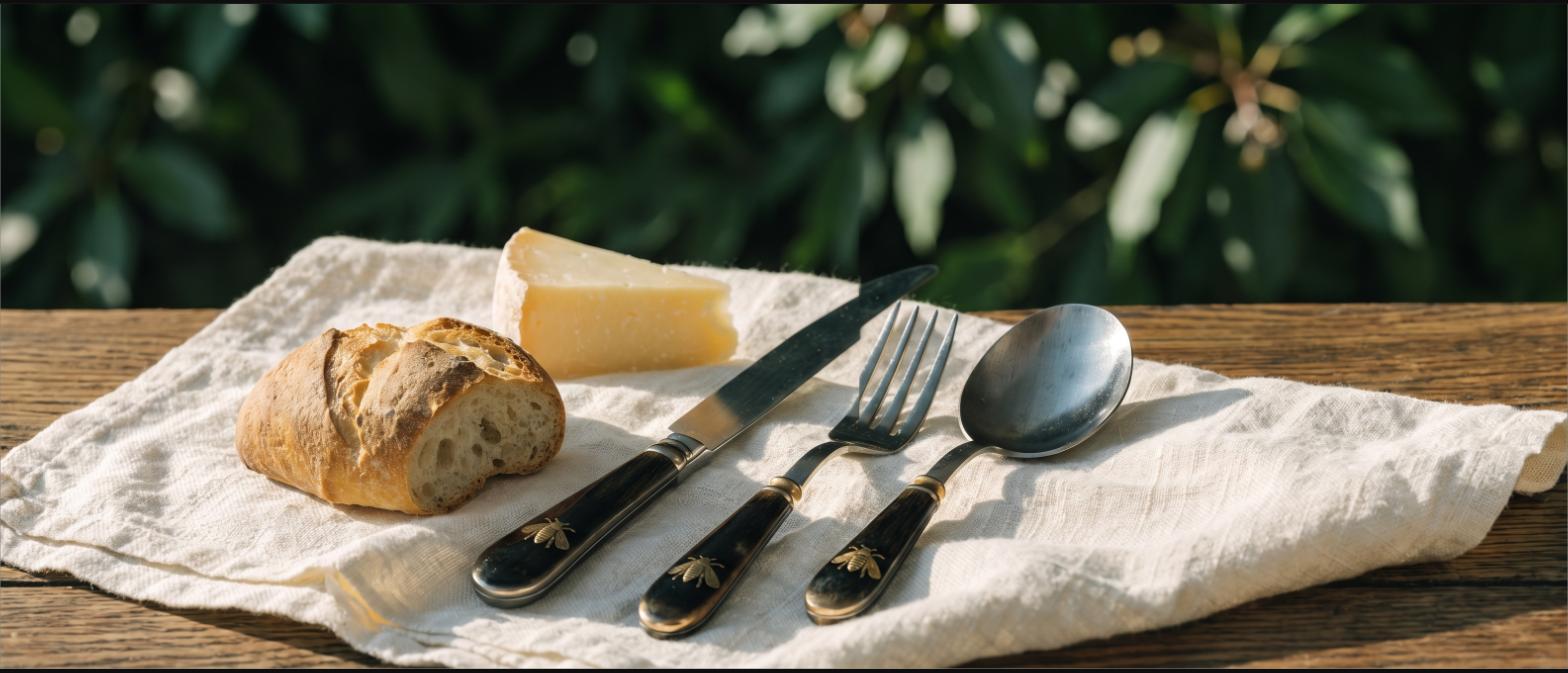
The hardest part of learning at home is rarely finding material. It is connecting it. Geography lands in one folder, history in another, and nothing in a student’s day suggests the two have anything to do with each other. Unit studies fix that by hanging several subjects on a single hook, and the best hooks are often ordinary objects. Here is one worth a fortnight: a village in the south of France that makes table knives.
Start With the Map
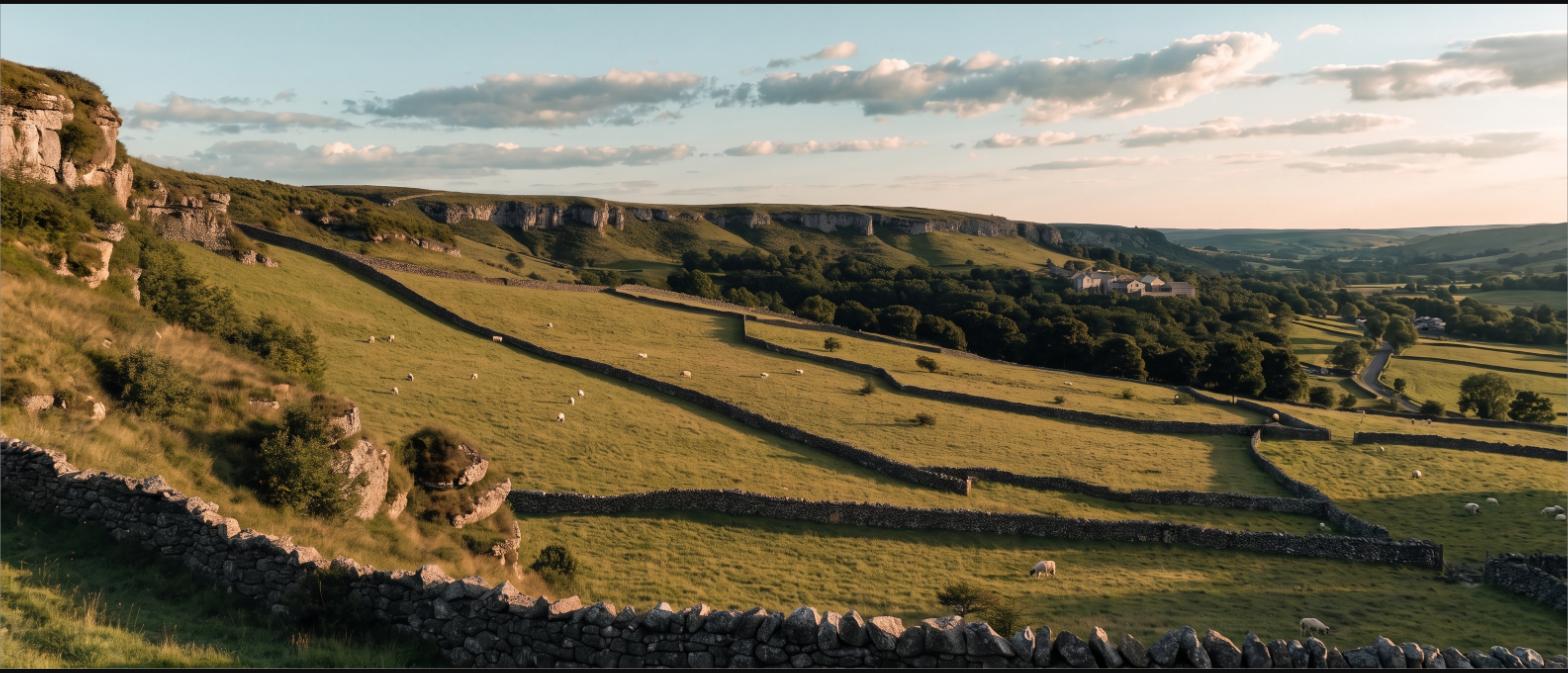
The village is Laguiole, in the Aveyron, on a high limestone plateau called the Aubrac. Ask your student to look at the terrain before reading anything about it. The soil is thin, the winters are long, and the land suits grazing rather than crops. That single geographic fact explains almost everything that follows: a population of shepherds and cattle herders, a cheese tradition, and a pocket knife designed to be carried all day by someone working alone outdoors. Geography first, then history, and the history stops feeling arbitrary.
Then Follow the Money
Local knife-making took off in the early 1800s, then drained away as production moved to the larger cutlery town of Thiers and, later, overseas. The village only reopened a workshop of its own in the 1980s.
Here is the part that makes older students sit up. “Laguiole” was never registered as a protected name, the way Champagne or Roquefort were. Anyone, anywhere, may stamp it on a product. Search for laguiole france knives and you will find plenty of sets that have never been within a thousand miles of the Aubrac, sitting alongside ones that were made there. That is a real lesson in trademarks, geographic indications and consumer information, and it beats any textbook example because the student can go and check the listings themselves.

Watch: Manufacturing a Laguiole Knife (Discovery Channel, YouTube)
And the Craft
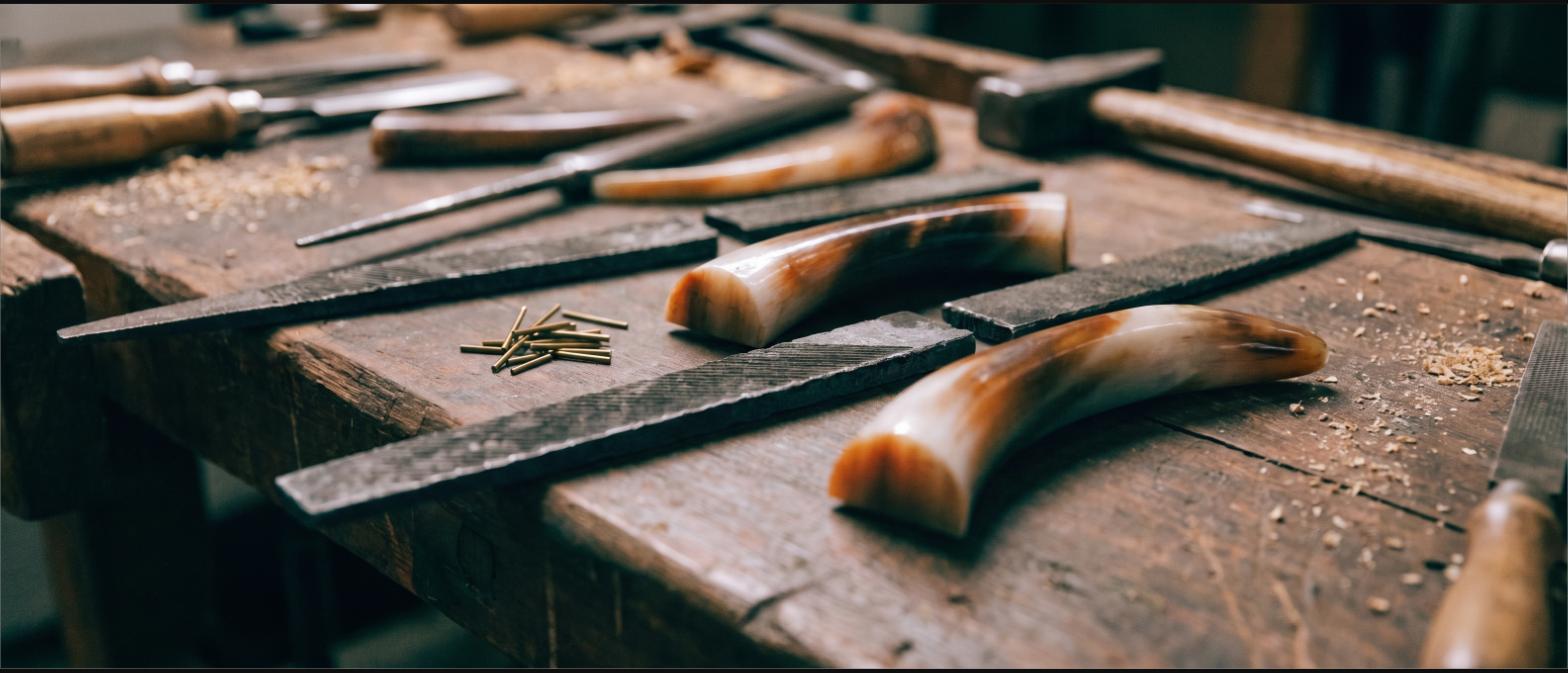
A hand-finished piece passes through dozens of separate operations, many still done by eye with a file. The small insect shaped into the spring is a good discussion in itself: it is usually called a bee, the locals call it la mouche, the fly, and the romantic story about Napoleon granting it is almost certainly invented. Sorting a nice story from a documented one is exactly the skill you want them practising.
Why Objects Work
Pick any well-made thing with a place attached to it and the same structure appears: land, work, trade, craft, and a story that needs checking. The object gives a young learner somewhere concrete to stand while the abstractions assemble themselves around it.